
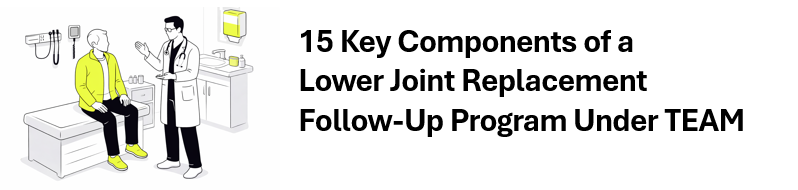
As the Transforming Episode Accountability Model, or TEAM, is now active across more than 700 hospitals, Lower Extremity Joint Replacement, or LEJR, continues to be one of the highest frequency procedures within the model. In response, Nexus has compiled 15 key components of an effective LEJR follow up program. Please feel free to reach out if you would like more detailed information about any aspect of this program.
 |
Activities of daily living Ask about the patient’s ability to perform daily activities at home. Determine whether they are having any difficulty with mobility, dressing, showering, or preparing meals. |
 |
Physical therapy participation Ask about the start of physical therapy. Confirm whether therapy has begun and if the patient is attending as directed. |
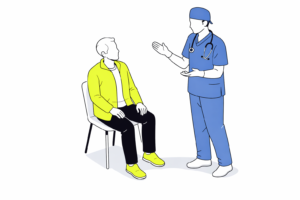 |
Surgeon follow up appointment Ask about follow up care with the surgeon. Confirm that an appointment is scheduled and document the date, time, and physician name. |
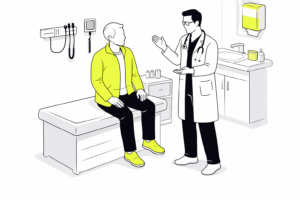 |
Primary care follow up appointment Ask about follow up with the primary care provider. Ensure the patient has an appointment scheduled as indicated in their discharge instructions and document the date, time, and provider name. |
 |
Dressing condition and seal integrity Ask about the condition of the surgical dressing. Confirm that all four edges remain fully sealed to the skin to maintain waterproof protection, review bathing precautions if the seal is not intact, and remind the patient that detailed instructions are available in their surgical guide. |
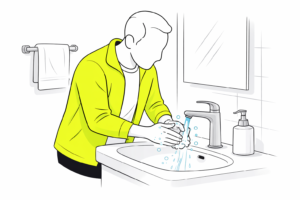 |
Dressing removal instructions Confirm the patient understands when it should be removed, that hand washing is required before removal, and remind them that detailed instructions can be found in their surgical guide. |
 |
Pain management Ask about current pain levels and control. Determine whether pain is manageable with prescribed medication and remind the patient to contact the surgeon if pain becomes unmanageable. |
 |
Blood thinner adherence and NSAID avoidance Ask about the patient’s prescribed blood thinner and confirm they are taking it exactly as directed, documenting the specific medication. Also confirm they are not taking any NSAIDs or anti inflammatory medications while on a blood thinner due to the increased risk of bleeding, and remind them where information on blood thinners can be found in their surgical guide. |
 |
Nutrition and hydration Ask about appetite and fluid intake. Reinforce the importance of maintaining a healthy diet and adequate hydration during recovery. |
 |
Swelling assessment Ask about any increase in swelling. Review that some swelling is expected but advise contacting the surgeon if swelling is significant or concerning. |
 |
Incentive spirometer use Ask about use of the incentive spirometer or deep breathing tool. Confirm the patient is using it as directed, ensure they can correctly identify the device if uncertain, and remind them that instructions can be found in their surgical guide. |
 |
Constipation and bowel function Ask about bowel movements since surgery. Determine whether the patient has had a bowel movement within the past three days and provide guidance if constipation is present. |
 |
Recognition of warning signs Review yellow flags that require calling the doctor and red flags such as chest pain or shortness of breath that require calling emergency services, and inform the patient where this information is outlined in their surgical guide so they know where to reference it. |
 |
Scopolamine patch management (if applicable) Ask about use of the scopolamine patch. Confirm that the patient knows to remove it on the third day after surgery and to wash their hands thoroughly after removal. |
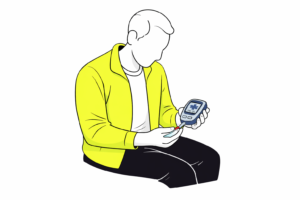 |
Diabetes and blood sugar control (if applicable) Ask about diabetes status and blood sugar levels. Determine whether the patient has experienced any blood sugar problems since surgery. |